The Truth About Pre-Juvenation: Are Fillers the Best Early Prevention?
Cambridge Skin and Wellness • October 14, 2026
The concept of “pre-juvenation”—taking proactive steps to prevent visible aging before it begins—has become one of the most popular trends in skincare and aesthetics. At Cambridge Skin and Wellness, young adults and professionals across Cambridge, Kitchener, Waterloo, and Guelph are asking if starting dermal fillers in their 20s or early 30s is really the key to keeping their skin looking supple and youthful long-term. The science behind early fillers is nuanced, and understanding the realities versus the hype can help you make an informed, responsible decision for your individual needs and goals.
Rather than selling a one-size-fits-all promise, the team at Cambridge Skin and Wellness focuses on results honesty and credible advice. Let’s explore what fillers can (and can’t) do for pre-juvenation, why early intervention makes sense for some—but not all—and how to establish realistic expectations based on your unique facial anatomy and aging trajectory.
What We Cover:
- Pre-Juvenation: Understanding the Trend and Its Promises
- What Fillers Really Accomplish When Used Early
- Common Overestimations About Early Filler Results
- What A Responsible Pre-Juvenation Plan Looks Like
- Frequently Asked Questions
Pre-Juvenation: Understanding the Trend and Its Promises
The term “pre-juvenation” has gained traction through social media and influencer culture, championing the idea of starting anti-aging treatments like fillers or neuromodulators before any lines or volume loss are present. The belief is that early use of injectables can “hold the line” against time, preserving baby-smooth cheeks and contours by adding back what may eventually diminish. The reality for clients in Cambridge and beyond is more complex: everyone’s facial structure, skin type, and aging process are different, and the true science of prevention is rooted in collagen preservation, skin integrity, and lifestyle.
→ From a professional standpoint: Early fillers can support facial volume and structure but do not replace sun protection, healthy habits, or high-level skincare.
What Fillers Really Accomplish When Used Early
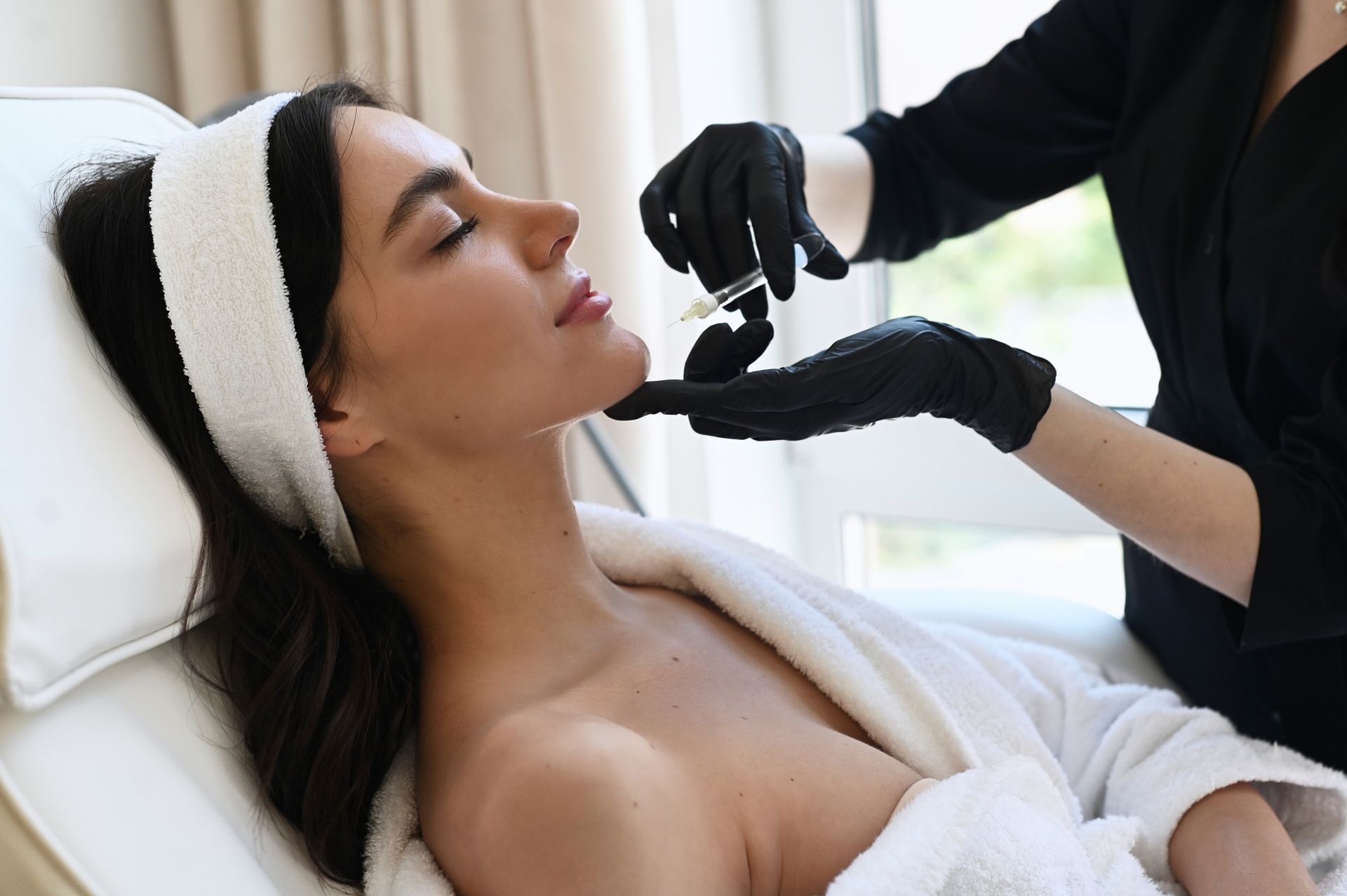
Fillers such as those available at Cambridge Skin and Wellness can subtly support facial features by maintaining youthful fullness and smoothing the earliest of fine lines. Products like hyaluronic acid-based fillers, or biostimulators like Radiesse, work by replenishing lost volume and, in some cases, encouraging collagen synthesis. When done conservatively and thoughtfully, this early intervention can “buffer” certain hallmarks of aging, like hollowing or early creasing—especially in people with strong expressive muscles or genetically thinner skin.
However, expert providers stress that filler is a tool, not a one-stop solution. Used judiciously, it can have a preventative effect on selected features, but excessive or poorly chosen fillers can create an unnatural look, even at a young age. True longevity comes from a multi-modal approach, combining injectables with evidence-based skincare, sun protection, and lifestyle management.
Common Overestimations About Early Filler Results
One of the most common misconceptions among younger clients is that fillers will stop all wrinkles or prevent facial aging altogether. In fact, dynamic wrinkles—those caused by repetitive movement—respond better to neuromodulators like Botox, whereas fillers are best for volume loss or specific static lines. Overusing fillers too early, or layering them without professional guidance, can result in puffiness, uneven contouring, and even accelerated changes as facial tissues shift over time.
→ A quick tip to remember: The best anti-aging “insurance” is an individualized plan—not an aggressive, one-size-fits-all injection schedule.
What A Responsible Pre-Juvenation Plan Looks Like
A truly effective preventive plan isn’t built solely on fillers. At Cambridge Skin and Wellness, responsible pre-juvenation begins with in-depth facial analysis, discussion of genetics and lifestyle risk factors, and realistic timelines for both early gains and long-term maintenance. This often means small conservative filler doses, careful selection of treatment zones, and integrating other measures such as medical-grade skincare, sunscreen, and healthy nutrition.
The clinic encourages you to weigh your motivations, ask plenty of questions, and seek out a provider who won’t recommend unnecessary early intervention. The goal: subtle, cumulative support that reflects your natural features rather than a dramatic overhaul.
Frequently Asked Questions
Should I start fillers even if I have no visible lines?
Not always. Fillers have their place in early prevention but aren’t universally recommended if your skin is still plump and wrinkle-free. Let your provider assess your natural risk factors and customize your care plan accordingly.
What alternatives should I consider for pre-juvenation?
Medical-grade skincare, sun protection, and, when warranted, neuromodulators like Botox may be better first-line options for true prevention. Sometimes collagen-stimulating treatments, like microneedling or skin boosters, play an equally important role.
How can I be sure my provider isn’t pushing unnecessary treatments?
A responsible clinic will conduct a thorough consultation, explain both the benefits and limitations of each intervention, and never rush you into early fillers without a clinically valid reason.
Plan Your Pre-Juvenation Path With Care
When it comes to pre-juvenation, smart prevention begins with facts, realistic expectations, and a relationship with a provider who puts your long-term results first. Cambridge Skin and Wellness invites you to explore your options honestly and thoughtfully—because the best anti-aging strategy is always the one that’s truly right for you. Get in touch!
Share This Blog